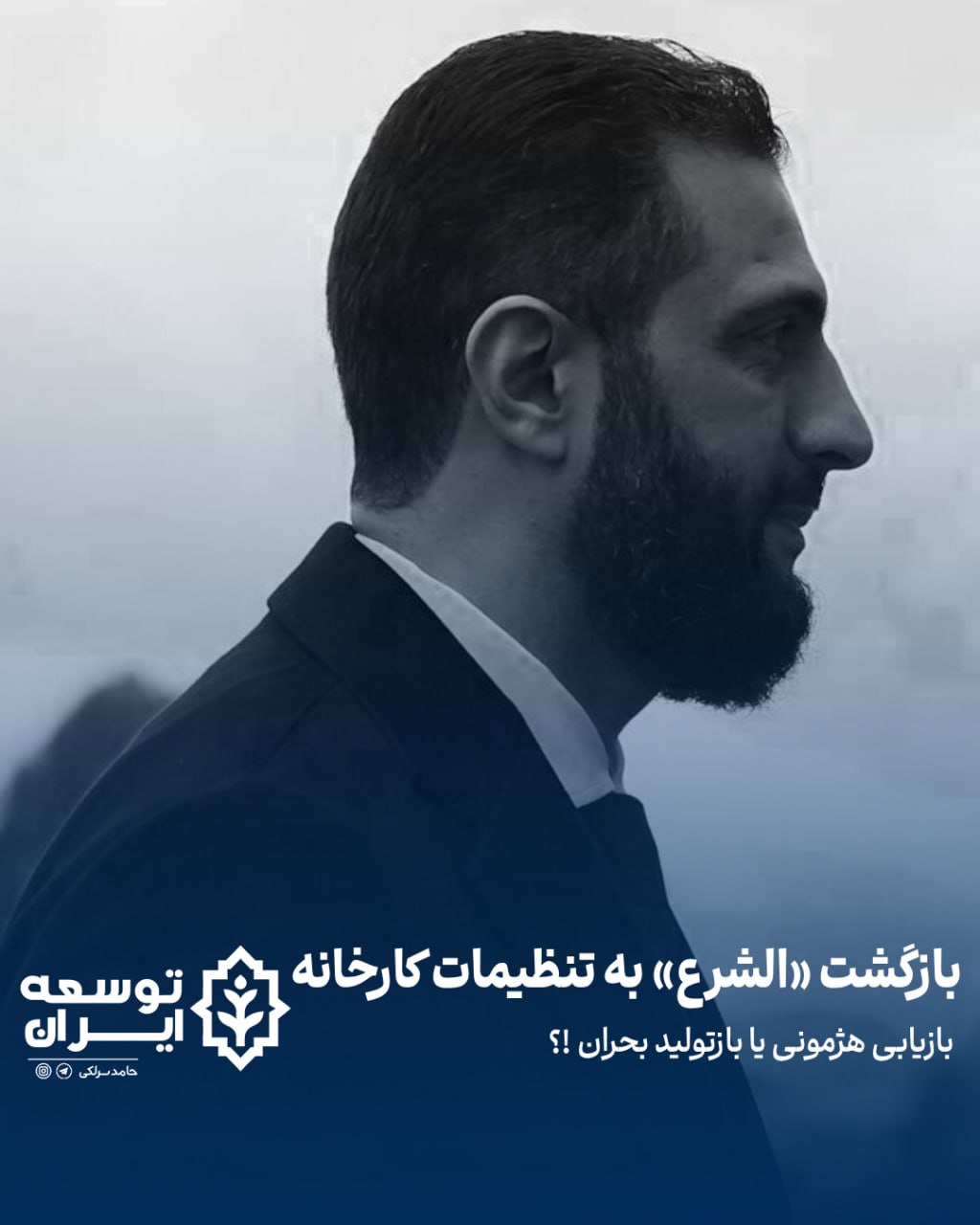
Ahmad al-Sharaa's current stance toward Lebanon and Hezbollah has evolved beyond political advice into a strategic framework redefining Syria's role in regional equations. By urging Lebanon's prime minister to avoid repeating "Syria's mistake" of granting unproductive concessions to Israel, al-Sharaa pursues dual objectives: distancing himself from Bashar al-Assad's failed negotiations with Tel Aviv, while simultaneously positioning himself as a consultative and interventionist actor in Lebanese affairs under the guise of friendly warnings.
Domestically, this positioning aims to mend ideological rifts within his government. Certain extremist factions aligned with ISIS-like discourse within his power structure are dissatisfied with his moderate approach toward the West and Israel. Emphasizing opposition to Hezbollah as a Shia ideological enemy serves as leverage to appeal to this base and rebuild his eroded popularity.
From a financial perspective, this approach represents a profitable transaction for Damascus. Al-Sharaa recognizes that Arab states, America, and Israel are willing to pay substantial operational costs through oil dollars and security aid to contain Hezbollah. Thus, crisis-generating pressure on Lebanon's borders becomes a revenue source and bargaining tool for a government struggling against economic collapse.
The deepest layer of this game concerns Iran's return to the Levant. With Assad's fall, the resistance axis suffered a strategic rupture. By linking Hezbollah's status to disarmament or weakening, al-Sharaa seeks to permanently close Iran's influence file in Syria and Lebanon, completing Washington's preferred "New Middle East" puzzle.