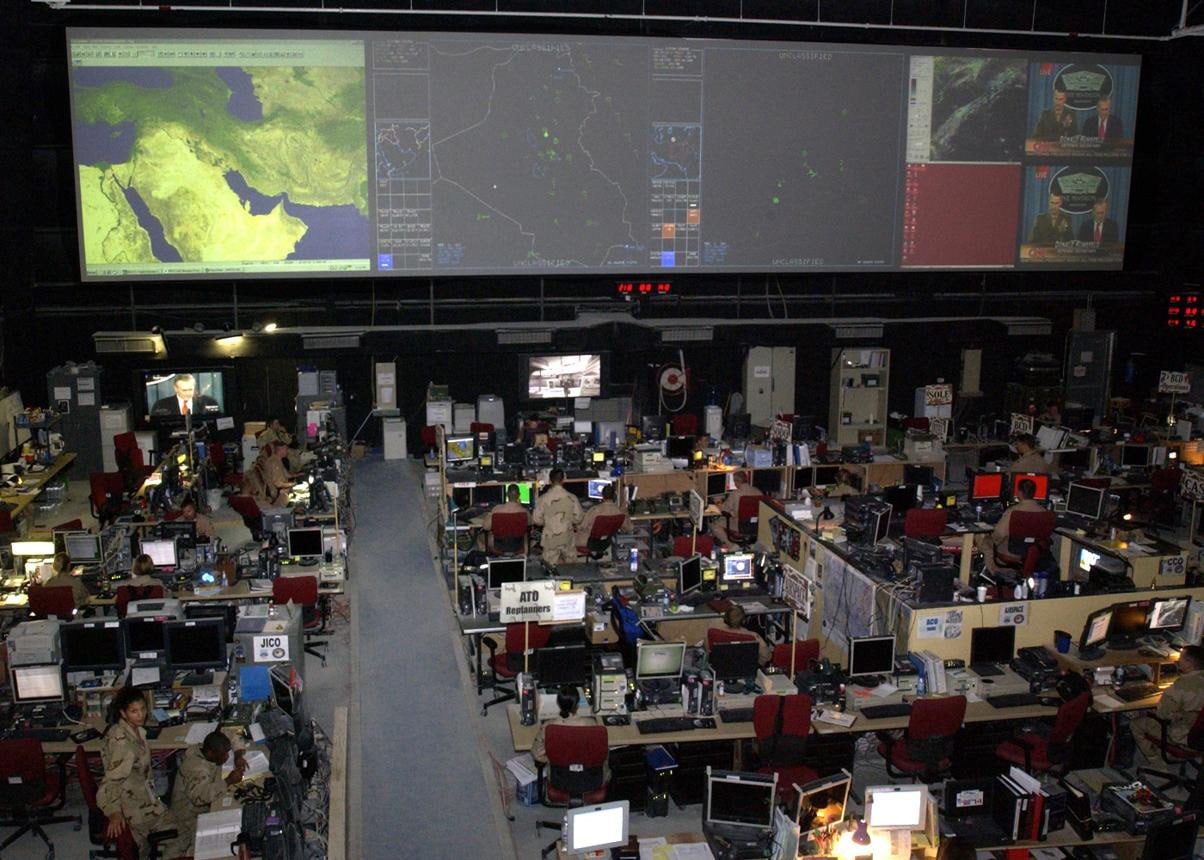
Estimates suggest the MSS system had over 20,000 users in 2025 and now may have around 80,000. In one assessment, a 20‑person targeting cell using MSS performed similarly to a major Iraq war targeting hub that once employed more than 2,000 staff.
The Pentagon views MSS as part of a larger initiative, the Joint All‑Domain Command and Control (CJADC2), which aims to create a unified network across land, sea, air, space, and cyber domains so commanders share a common battlefield picture and can exchange information almost instantaneously.
Within this framework, MSS is intended to serve as the network’s “analytical brain,” ingesting battlefield data, analyzing it, and presenting operational options to commanders.
The Pentagon has requested over $2.3 billion in the 2027 budget for MSS development, indicating the program has moved beyond a pilot to a core component of future U.S. Army operations. The trend shows AI is now seen as a central element of military decision‑making rather than a mere tool.