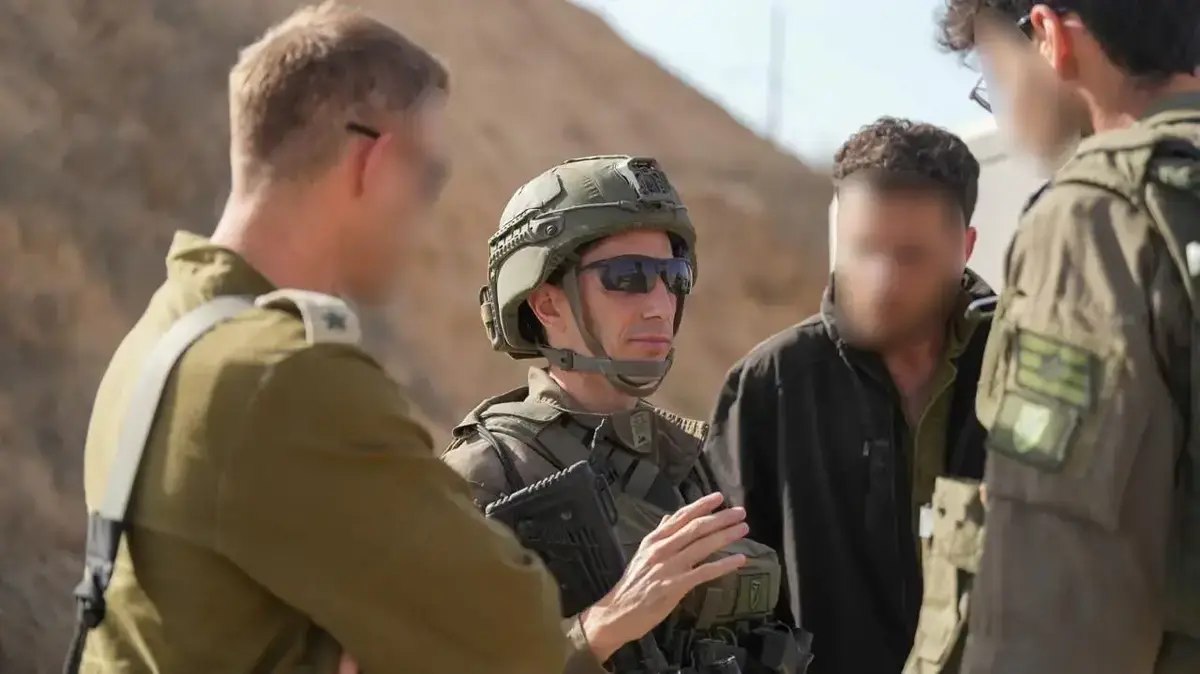
Colonel Shaul Israeli, commander of Israel’s 7th Armored Brigade, said recent battles in southern Lebanon have exposed a far more intricate Hezbollah infrastructure than previously assumed. Over the past two decades, with Iranian assistance, Hezbollah built extensive underground facilities—including command rooms, weapons depots, anti‑tank positions and assault tunnels—prepared for a "day of reckoning" against Israel.
The 7th Brigade was the first unit to move on the ground after the ceasefire collapsed, advancing toward border villages such as Tybeh, Markaba and Rab al‑Thalathine to blunt infiltration and anti‑tank missile threats to northern Israeli settlements. The force then entered the Qantara area, which the commander described as one of Hezbollah’s strongholds, featuring a two‑decade‑long construction of rooms, organized arms stores and anti‑tank firing points aimed directly at Israeli territory.
He noted that many underground complexes stretch over a kilometre and contain dozens of chambers, built with similar engineering designs, suggesting common contractors or templates. The brigade employed drones first to locate routes and anti‑tank ambushes, followed by ground robots that forced the enemy to reveal positions. Israeli officials warned that suicide drones are becoming a major future threat, though they believe technical counter‑measures are feasible. The commander also highlighted the evolving role of tanks, now integrated with sensors, drones and networked combat functions, turning them into multi‑role combat hubs.
Finally, he warned that prolonged conflict is eroding the Israeli army’s effectiveness and called for shorter command tenures and a reevaluation of service structures to adapt to the changing battlefield reality.